
How Laws Are Made in Jamaica: A Practical Guide for Citizens and Businesses
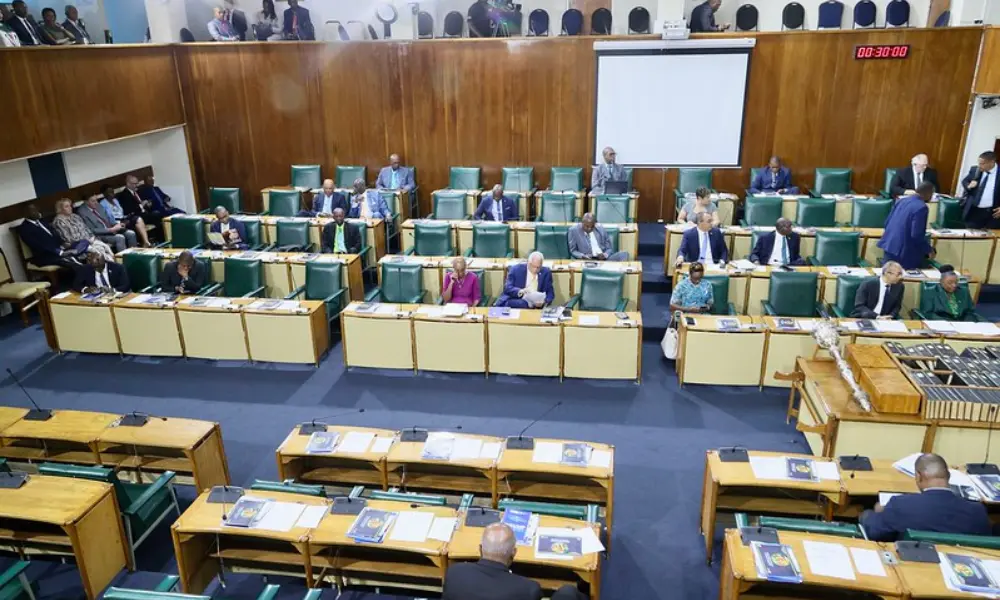
In the early hours of April 29, 2026, after a marathon sitting filled with heated debate, a dramatic suspension of an Opposition MP, and a recorded vote at 1:33 a.m., Jamaica’s House of Representatives passed the National Reconstruction and Resilience Authority (NaRRA) Bill. Weeks later, on May 8, the Senate followed suit after another lengthy debate. The bill now awaits the Governor-General’s signature before it becomes law. This high-profile example shows exactly how laws are created in Jamaica and why understanding the process matters if you run a business, bid on government contracts, advocate for policy changes, or want to know how decisions that affect your daily life are made.
At Things to Know Jamaica, we break down complex government systems into clear, actionable steps. Here’s your practical guide to how a bill becomes law in Jamaica.
Jamaica’s Parliamentary System at a Glance
Jamaica operates under the Westminster parliamentary system. That means parliament has three parts:
- The King (represented by the Governor-General)
- The Senate (21 members: 13 appointed by the Prime Minister, 8 by the Leader of the Opposition)
- The House of Representatives (63 elected Members of Parliament)
The House is the primary law-making chamber and handles all money/finance bills. The Senate acts as a reviewing house. It can debate, propose amendments, and delay bills.
How a Bill Becomes Law in Jamaica
- Drafting and Cabinet Approval
Most major bills originate from the government. A ministry or task force drafts the bill, which then receives Cabinet approval. Private members’ bills (introduced by individual MPs) are possible but less common and harder to pass. - First Reading (Introduction)
The bill is formally introduced in the House or Senate (most important bills start in the House). This is a procedural step; the title is read, and the bill is printed, but no debate occurs. - Second Reading
This is the first major debate. MPs discuss the principles and objectives of the bill. A vote follows. If it passes, the bill moves forward. - Committee Stage
The most important phase for changes. The House (or a committee) reviews the bill clause by clause. Amendments are proposed, debated, and voted on. In the NaRRA Bill, the government introduced over 20 amendments here to address some transparency and reporting concerns. - Third Reading
This is the final debate in the originating house, followed by a vote on the bill as amended. - The Senate Review
The process repeats in the Senate: Second Reading → Committee → Third Reading.
The Senate can also propose amendments. If changes are made, the bill returns to the House for agreement (this “ping-pong” continues until both houses approve identical versions). - Governor-General’s Assent
Once both houses agree, the bill goes to the Governor-General for Royal Assent. This is usually ceremonial. The bill then becomes an Act of Parliament. - Gazetting and Commencement
The new law is published in the Jamaica Gazette. It may come into effect immediately or on a specified date.
How You Can Influence the Process
You can actively track upcoming bills using the official Parliament website (japarliament.gov.jm), the Jamaica Information Service (JIS), or reliable local news outlets. For the greatest impact, connect with your Member of Parliament (MP) or a Senator through letters, meetings, or petitions before the bill reaches its Third Reading. You can also amplify your voice by partnering with established groups—such as civil society organisations, industry associations, or chambers of commerce—which frequently hold more structured influence during government consultations. Keep a close eye on the Senate stage as well, as this reviewing house is often where the most meaningful, detailed amendments are introduced and debated.
Your absolute best window for direct civic participation happens during the committee stage, particularly when Parliament forms a Joint Select Committee. This is a special, temporary group composed of members from both the House of Representatives and the Senate, brought together to scrutinise complex or highly controversial bills clause by clause. When a bill is referred to a Joint Select Committee, it is standard practice for them to invite the public, business owners, and industry experts to submit written memoranda or give oral feedback. Sending in your input during these public consultation windows allows you to point out flaws, suggest fee adjustments, or highlight how a clause might negatively impact your industry before the text is locked in and sent for a final vote.
Practical Tips for Business Owners and Citizens
- Monitor reconstruction opportunities: Laws like NaRRA can create new procurement rules, contractor requirements, or compliance obligations. Stay ahead by following official announcements.
- Prepare for compliance: New laws often come with regulations published later. Check the Gazette regularly.
- Build relationships: Consistent engagement with your representative pays off more than last-minute complaints.
Jamaica’s lawmaking process balances democratic debate with the need for decisive governance. While it can sometimes feel slow or theatrical, the built-in checks — especially the Senate review and amendment stages — exist to improve legislation before it affects millions of lives and billions in public spending.
By knowing how the system works, you move from being a spectator to an informed participant, whether you’re protecting your business interests, advocating for better policy, or simply understanding the rules that shape our country.
Last updated: May 2026

2 Comments
Comments are closed.