
Captured Land in Jamaica Explained: Adverse Possession Laws & How to Protect Your Property
In Jamaica, land is not just property; it’s a legacy, livelihood, and often the source of heated family or community disputes. One term you’ll hear in these conversations is “captured land,” the local term for land someone has gained rights to through a legal process called adverse possession.
If you own land (or think you do), manage family property from overseas, or are dealing with long-term occupation on a plot, understanding this concept is essential. It can help you protect what’s yours or navigate a claim fairly and legally.
This guide breaks it down simply and provides clear, actionable steps based on Jamaican law under the Limitation of Actions Act. Remember: laws can evolve, so treat this as a starting point and always consult a licensed attorney or the National Land Agency for your specific situation.
What Is “Captured Land” and Adverse Possession?
“Captured land” is Jamaican slang for land acquired through adverse possession, which is a legal doctrine that allows a person to potentially gain ownership of land they’ve occupied without the title holder’s permission, provided certain strict conditions are met for a long enough period.
Here’s how it works in plain terms:
- For private land: After 12 continuous years of open, exclusive, and “adverse” (without permission) possession, the occupant can apply to extinguish the original owner’s title and claim legal ownership.
- For government (Crown or state) land: The period is much longer, 60 years.
The occupant must prove that they’ve acted like the true owner the entire time; that means living on or using the land visibly, maintaining it, preventing nuisances, and often paying taxes or making improvements. Simply hiding or using it secretly doesn’t count. The possession must be continuous, open/notorious, exclusive, and hostile (no permission from the owner).
Paying property taxes alone is not enough for the title holder to keep control. You must actively demonstrate stewardship or risk losing rights to someone who does. Legislative discussions are ongoing about tightening adverse possession rules, especially for state-owned lands. Check the latest updates from the National Land Agency, as reforms could affect timelines or requirements.
How to Protect Your Land from Adverse Possession in Jamaica
If you hold title (or are the rightful heir), the best defence is active possession. Don’t let the 12-year clock run uninterrupted. Here’s a practical checklist:
- Inspect regularly – Visit the property yourself at least once or twice a year (more often in rural or high-risk areas). Document every visit with dated photos, videos, a logbook, or a simple journal. If you’re overseas, appoint a trusted family member, friend, or professional property manager with clear written instructions.
- Secure physical boundaries – Erect and maintain strong fences, gates, or natural barriers. Repair them promptly if damaged. Clear any bushes and keep the land tidy, as overgrown or neglected property signals abandonment.
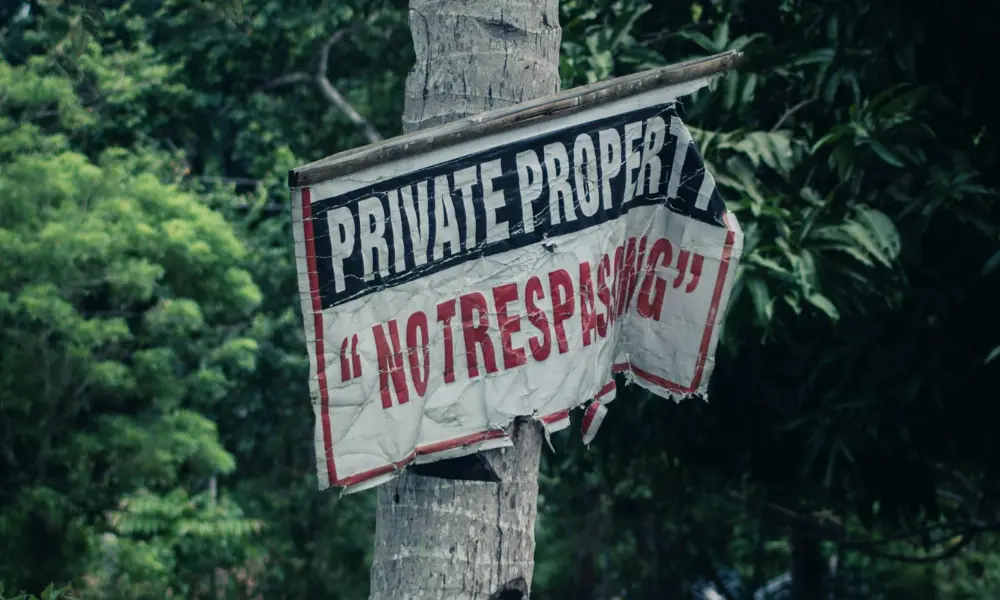
- Post clear signage – Place visible “Private Property – No Trespassing” or “No Entry Without Permission” signs at all access points. Replace faded ones immediately.
- Pay taxes and keep records – Always pay property taxes in your name and retain receipts. This shows ongoing interest, but pair it with the steps above.
- Act fast if someone occupies the land
- Issue a formal “Notice to Quit” or “Letter of Demand” via a lawyer as soon as you discover occupation.
- Start eviction proceedings in the Resident Magistrate’s Court or Supreme Court before 12 years pass.
- Any legal action, permission granted, or interruption resets the adverse possession clock.
- Hire professionals – Engage a licensed land surveyor every few years for an updated survey diagram plan. Consider a conveyancing attorney to review your title and advise on protective steps (e.g., a formal caretaker agreement that explicitly prevents the caretaker from claiming possession).
- Document everything – Keep a file with survey plans, tax receipts, photos, correspondence, and any court documents. This evidence is important if a claim ever arises.
If the land is family property with multiple heirs, consider formalising ownership through the National Land Agency’s Systematic Land Adjudication Programme to reduce future disputes.
Guide for Occupants or Potential Claimants
If you’ve been living on or using land without a formal title, adverse possession offers a possible legal pathway, but it’s a high bar and never a quick fix. Here’s what you need to know:
- Understand the requirements – You must occupy the land openly, continuously, exclusively, and without permission for the full 12 years (private land) or 60 years (government land). Treat it exactly as an owner would: maintain it, improve it, pay taxes if possible, and ensure the community sees you as the person in control.
- Document your possession rigorously
- Take dated photos and videos showing your use over time.
- Keep tax receipts, utility bills, improvement records, and witness statements from neighbours.
- Maintain a log of dates and activities.
- Avoid actions that break your claim – Don’t acknowledge another owner (e.g., paying rent or asking permission). Any interruption, such as an eviction notice, legal action, or owner re-entry, can reset the clock to zero.
- After the qualifying period
Consult an attorney to prepare an application for possessory title. This usually involves:- A fresh survey plan
- Affidavits from you and witnesses
- Publication of notice (so the original owner can object)
- Court or National Land Agency approval
- Be realistic – Early occupation can still lead to eviction. Adverse possession is a defence or claim in court, not an automatic right. Always seek legal advice early to understand your risks.
Final Thoughts
Land in Jamaica carries deep cultural and economic weight, whether it’s a family plot passed down for generations or a new investment. “Captured land” rules exist to encourage active use, but they also put the responsibility on title holders to stay vigilant. By taking consistent, documented steps, you can protect your rights as an owner or build a solid foundation as an occupant. Don’t wait until a dispute arises. Proactive management today prevents costly battles tomorrow.
Important Disclaimer
This post is for general information and educational purposes only. It is not legal advice. Jamaican land laws (including the Limitation of Actions Act) can change, and outcomes depend on specific facts. Always consult a qualified Jamaican attorney-at-law and/or the National Land Agency for advice tailored to your situation.



2 Comments
Comments are closed.